What Is an Automatic Valve and Why Is It Important?
An Automatic Valve is a flow-control device designed to open, close, or adjust the passage of liquid or gas without continuous manual operation. Depending on the system design, it may respond to electrical signals, compressed air, hydraulic pressure, fluid pressure, temperature, flow rate, or liquid level.
In a typical piping system, an Automatic Valve works together with sensors, controllers, and actuators. A level sensor may close an inlet valve when a storage tank is full, while a pressure controller may adjust the valve opening to maintain stable downstream pressure. Some valves operate independently through changes in fluid pressure and do not require an external power source.
Compared with a manually operated valve, an Automatic Valve provides faster response, more consistent control, and easier integration with production equipment. It can reduce repetitive manual work, limit operating errors, and improve process safety. These advantages make automatic valves widely used in water treatment, chemical processing, irrigation, HVAC systems, food production, equipment cooling, and industrial fluid-handling applications.
How Does an Automatic Valve Work?
Basic Operating Principle of an Automatic Valve
An Automatic Valve controls fluid movement by converting a control signal or a change in operating conditions into mechanical movement. Depending on the valve structure, the internal closing element may be a ball, disc, diaphragm, plug, gate, or piston.
In an electrically controlled system, a sensor measures pressure, temperature, flow, or liquid level. The controller compares the measured value with a preset range and sends a command to the Automatic Valve. The actuator converts the signal into rotary or linear movement and changes the flow passage until the required condition is reached.
Pneumatic valves use compressed air to move the actuator and are often selected for fast response, frequent operation, or fail-safe action. Self-operated valves use fluid pressure, spring force, gravity, or buoyancy and may work without a separate controller.
Common Control Signals
Common control methods include on/off electrical signals, 4–20 mA proportional signals, 0–10 V signals, pneumatic pressure signals, and direct responses to pressure, temperature, or liquid-level changes. The selected signal must match the actuator, controller, power supply, response speed, and required control accuracy.
Automatic Valve Opening and Closing Process
The operating process normally includes signal generation, actuator response, valve-stem or shaft movement, flow-passage adjustment, and position confirmation. A limit switch may indicate fully open or fully closed status, while a position transmitter can provide continuous valve-position feedback.
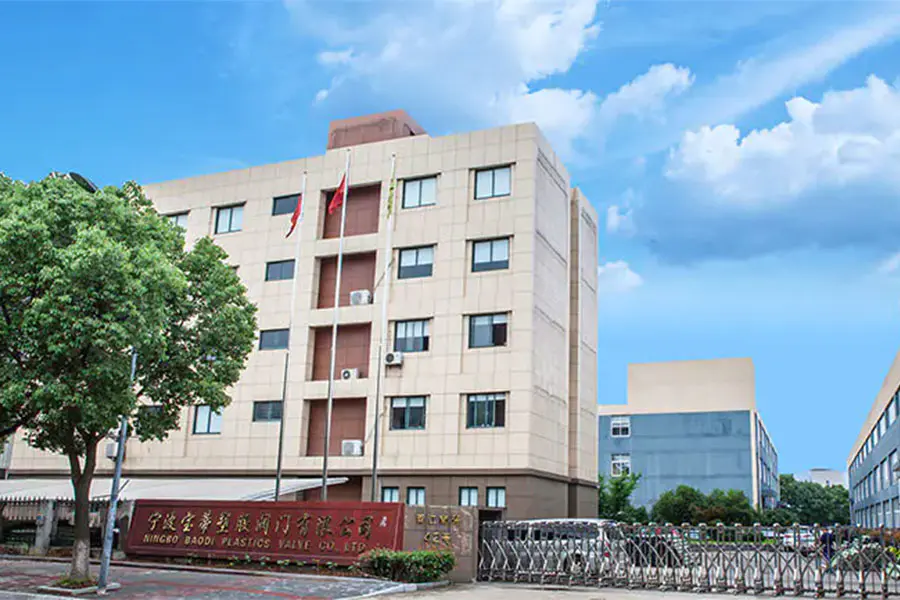
In corrosive chemical systems, reliability depends on both the actuator and the wetted materials. Ningbo Baodi Plastic Valve Co., Ltd. has developed industrial thermoplastic valves and piping components for demanding fluid conditions for more than four decades. Its early experience with plastic diaphragm valves demonstrates why isolating corrosive media from metal transmission components can improve long-term system reliability.
What Are the Main Components of an Automatic Valve?
Valve Body
The valve body forms the main flow passage and withstands pipeline pressure. Common structures include ball, butterfly, diaphragm, check, and control valves. Stainless steel and metal alloys are often used for high-temperature or high-pressure conditions, while PVC, CPVC, PP, and PVDF are widely considered for corrosive industrial fluids.
Ningbo Baodi Plastic Valve Co., Ltd. traces its origins to 1979 through Zhenhai Chemical Valve Factory and Beilun Plastic Valve Factory. Its first plastic diaphragm valve was manufactured in 1979 and passed the technical appraisal of the Ministry of Chemical Industry in 1983, reflecting the early industrial application of corrosion-resistant plastic valve structures in China.
Valve Trim and Sealing Parts
Internal parts may include the ball, disc, diaphragm, seat, stem, shaft, and sealing rings. These components directly affect shut-off performance, leakage, operating torque, and service life.
| Seal Material |
General Application |
| EPDM |
Water, dilute acids, alkalis, and many general chemical solutions |
| FKM |
Oils, many chemicals, and higher-temperature conditions |
| PTFE |
Broad chemical resistance and low-friction sealing |
| NBR |
Air, water, oils, and selected industrial fluids |
Seal selection must consider chemical concentration, temperature, pressure, and operating frequency. A seal suitable for clean water may swell, harden, or crack when used with another medium.
Actuator
An electric actuator uses a motor and gearbox, a pneumatic actuator uses compressed air, a hydraulic actuator uses pressurized liquid, and a self-operated mechanism uses fluid pressure or mechanical force. The actuator must provide enough torque or thrust under the maximum pressure difference and should include an appropriate safety factor.
Sensors, Controllers, and Feedback Devices
Pressure transmitters, temperature sensors, flow meters, and level switches provide process data. A relay, PLC, or process controller determines how the Automatic Valve responds. Limit switches confirm open and closed positions, while position transmitters provide continuous feedback for modulating control.
Connections and Supporting Components
Automatic valves may use flanged, threaded, socket, union, welded, fusion, or clamp connections. In 2006, Ningbo Baodi Plastic Valve Co., Ltd. expanded its range to industrial plastic pipes and fittings and became one of the early domestic enterprises to apply CPVC to industrial-grade piping valves. Coordinated valves, pipes, and fittings help reduce material and dimensional compatibility problems.
What Are the Main Types of Automatic Valve?
Automatic Ball Valve
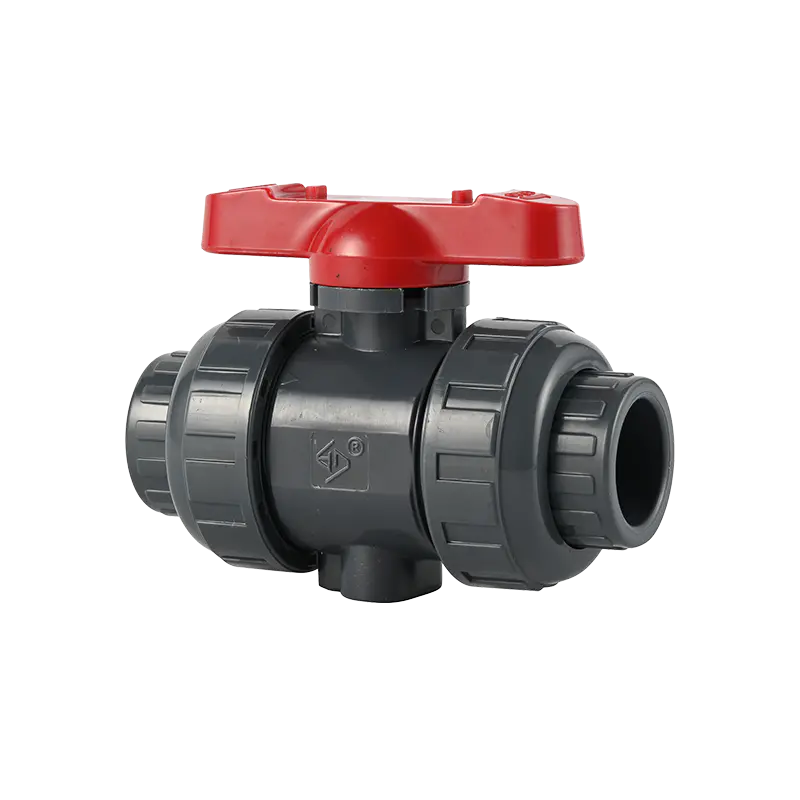
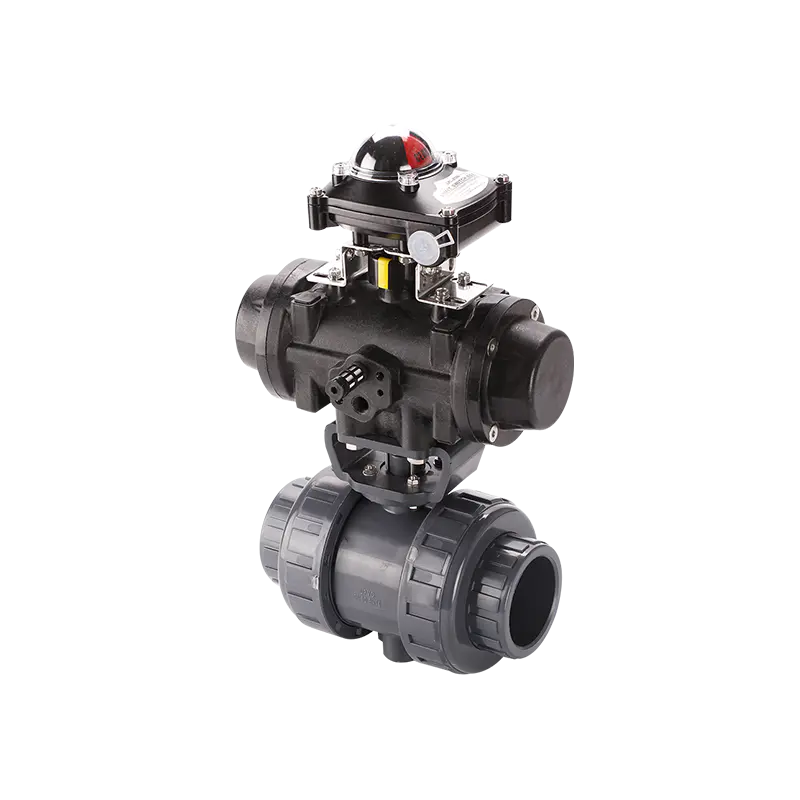
An Automatic Ball Valve uses a ball with a central bore. A 90-degree rotation opens or closes the flow passage. It offers low pressure loss, rapid operation, and reliable shut-off. Plastic ball valves are often used for corrosive water and chemical systems.
In 1992, Ningbo Baodi Plastic Valve Co., Ltd. invented the one-piece flange ball valve. The integrated design reduced potential external leakage points and later became widely used in chemical-related industries. Standard ball valves are mainly suitable for isolation rather than continuous throttling.
Automatic Butterfly Valve
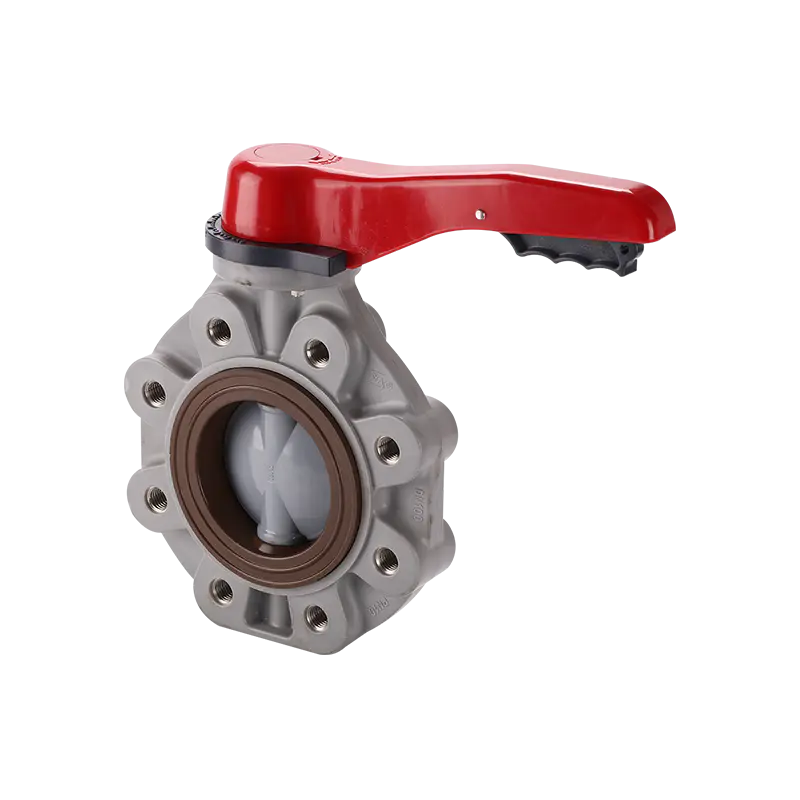
An Automatic Butterfly Valve uses a rotating disc positioned inside the flow passage. Its compact construction and relatively low weight make it suitable for medium- and large-diameter pipelines. It is commonly used in water treatment, cooling-water circulation, ventilation, and general industrial systems.
Automatic Diaphragm Valve
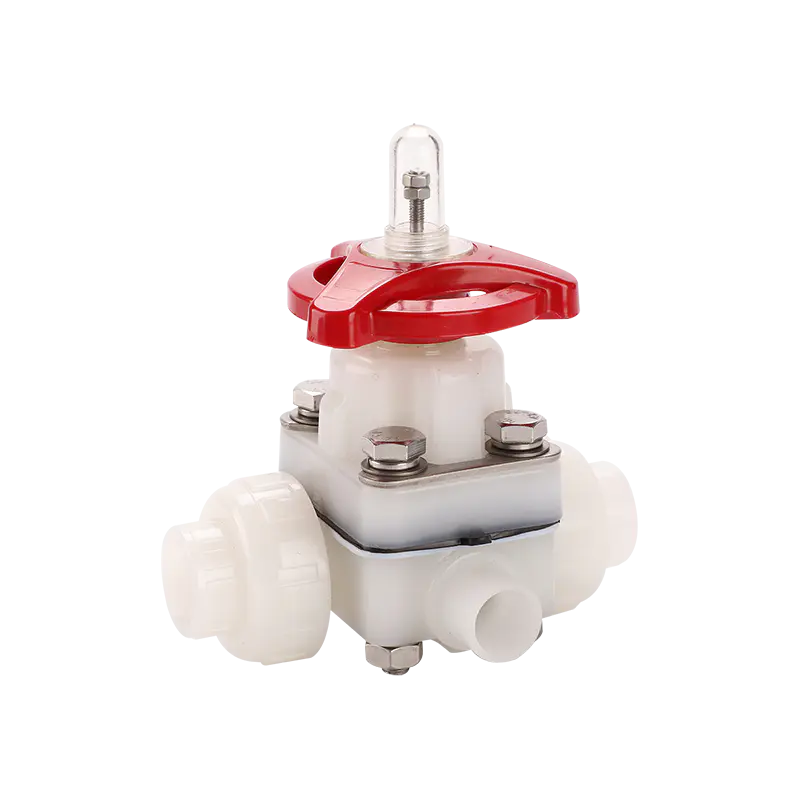
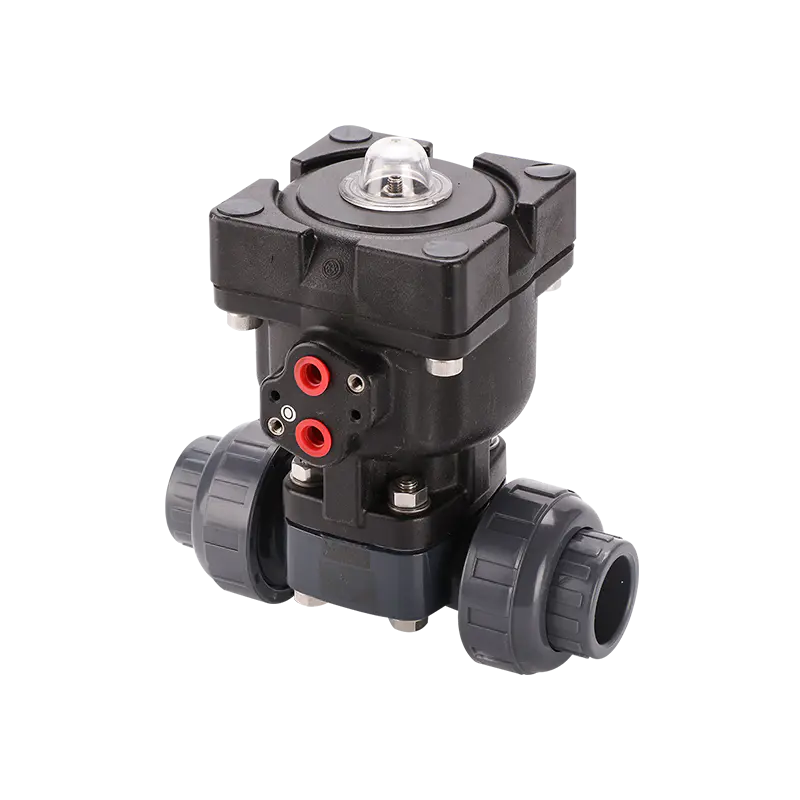
An Automatic Diaphragm Valve uses a flexible diaphragm to close against a seat or weir. The diaphragm separates the fluid from the stem and most transmission components, making the design suitable for corrosive, particle-containing, or cleanliness-sensitive fluids.
Ningbo Baodi Plastic Valve Co., Ltd. is a principal drafter of the national standard for plastic diaphragm valves and relevant chemical industry standards. Its long-term participation in diaphragm-valve development supports applications in chemical processing, water treatment, electroplating, and industrial fluid control.
Automatic Control Valve
An Automatic Control Valve continuously adjusts its opening according to a proportional signal. It can regulate flow, pressure, temperature, or liquid level. Correct Cv or Kv sizing is essential because an oversized valve may operate close to the closed position and cause unstable control.
Automatic Solenoid Valve
A solenoid valve uses an electromagnetic coil to move a plunger or pilot mechanism. It provides fast on/off operation and is commonly used in small- and medium-diameter water, air, equipment, and dosing systems. Pilot-operated models may require a minimum pressure difference.
Automatic Check Valve
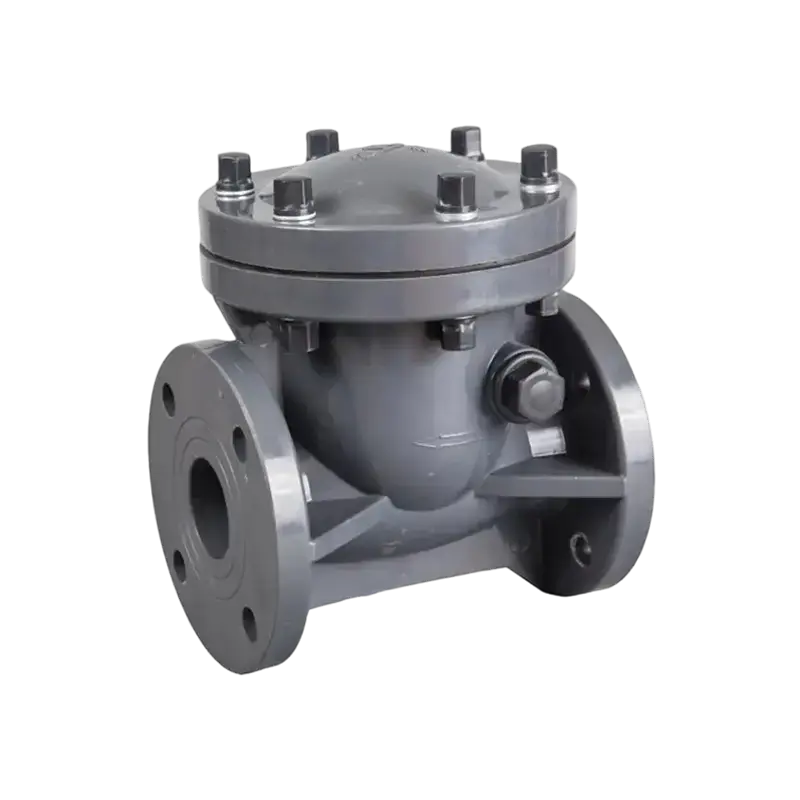
An Automatic Check Valve prevents reverse flow without an external actuator. Forward fluid pressure opens the valve, while reverse pressure or spring force closes it. Ningbo Baodi Plastic Valve Co., Ltd. also participates in drafting chemical industry standards for plastic check valves.
Automatic Pressure Reducing Valve
A pressure-reducing valve lowers inlet pressure and maintains a more stable downstream pressure. It is commonly used in water supply, irrigation, process equipment, and branch pipelines.
Automatic Air Release and Drain Valve
Automatic air-release valves remove trapped air from pipelines, while automatic drain valves discharge accumulated water or condensate. They help reduce air blockage, unstable flow, corrosion, and pressure fluctuations.
| Valve Type |
Main Function |
Typical Application |
| Automatic Ball Valve |
Rapid isolation |
Chemical piping, water, and equipment control |
| Automatic Butterfly Valve |
Large-pipe isolation and basic regulation |
Water treatment and circulation systems |
| Automatic Diaphragm Valve |
Corrosion-resistant isolation or regulation |
Chemical, particle-containing, and clean fluids |
| Automatic Control Valve |
Continuous proportional regulation |
Flow, pressure, temperature, and level control |
| Automatic Solenoid Valve |
Fast on/off control |
Equipment, air, water, and dosing systems |
| Automatic Check Valve |
Backflow prevention |
Pump outlets and return-flow protection |
| Pressure Reducing Valve |
Downstream pressure stabilization |
Water supply and irrigation |
Automatic Valve vs Manual Valve: What Is the Difference?
A manual valve requires an operator to turn a handle, lever, or handwheel. An Automatic Valve responds to an electrical signal, compressed air, hydraulic power, or process conditions.
| Comparison Item |
Automatic Valve |
Manual Valve |
| Operating Method |
Electric, pneumatic, hydraulic, or self-operated |
Handwheel, lever, or handle |
| Response Speed |
Fast and consistent |
Depends on operator availability |
| Remote Operation |
Available |
Generally unavailable |
| Control Accuracy |
Suitable for on/off and proportional control |
Mainly basic isolation |
| Operating Frequency |
Suitable for frequent cycling |
Better for occasional operation |
| System Integration |
Can connect to sensors and PLC systems |
Limited |
| Initial Cost |
Usually higher |
Usually lower |
| Labor Requirement |
Lower after installation |
Requires direct manual action |
An Automatic Valve is generally preferred for remote locations, frequent operation, timed processes, emergency shutdown, or precise pressure and flow control. Manual valves remain practical for maintenance isolation, drainage, and infrequently operated pipelines.
How to Select the Right Automatic Valve
Identify the Controlled Medium
Confirm the chemical name, concentration, viscosity, corrosiveness, particle content, crystallization tendency, and cleanliness requirement. The valve body, seat, diaphragm, O-rings, and all wetted components must be compatible with the medium.
Confirm Pressure and Temperature
Provide normal pressure, maximum inlet pressure, outlet pressure, maximum differential pressure, surge conditions, and any vacuum requirement. For plastic valves, allowable working pressure usually decreases as temperature rises.
Operating temperature should include normal, minimum, maximum, cleaning, and ambient values. PVC, CPVC, PP, and PVDF have different chemical and thermal characteristics. Ningbo Baodi Plastic Valve Co., Ltd.’s experience with industrial CPVC piping valves is relevant where higher temperature capability than standard PVC is required.
Determine Valve Size and Flow Capacity
For isolation service, the valve often matches the nominal pipe size. For regulating service, the required Cv or Kv value should be calculated. An oversized valve may cause unstable flow, while an undersized valve may create excessive pressure loss.
| Selection Parameter |
Information to Confirm |
| Pipe Size |
Nominal diameter and connection standard |
| Flow Rate |
Minimum, normal, and maximum flow |
| Inlet Pressure |
Normal and maximum upstream pressure |
| Outlet Pressure |
Required downstream pressure |
| Pressure Drop |
Allowable loss across the valve |
| Fluid Properties |
Density, viscosity, and solids content |
| Cv or Kv |
Required flow coefficient for regulation |
Select the Actuator and Fail-Safe Position
Electric actuators are practical where electrical power is available. Pneumatic actuators are suitable for fast operation, frequent cycling, and spring-return fail-safe functions. Hydraulic actuators provide high force, while self-operated valves require no external power.
| Fail-Safe Mode |
Action During Failure |
Typical Purpose |
| Fail Close |
Valve automatically closes |
Chemical feed and tank filling |
| Fail Open |
Valve automatically opens |
Cooling water and emergency flow |
| Fail in Place |
Valve remains near its last position |
Processes sensitive to sudden changes |
Confirm Connections, Feedback, and Environment
Confirm flanged, threaded, socket, union, fusion, welded, or clamp connections. Also specify on/off control, 4–20 mA, 0–10 V, limit switches, continuous position feedback, manual override, communication requirements, enclosure protection, outdoor exposure, humidity, dust, corrosive vapor, or hazardous-area requirements.
Where Is an Automatic Valve Commonly Used?
Water Treatment Systems
Automatic valves control raw-water intake, filtration, backwashing, chemical dosing, tank filling, sludge discharge, and pump isolation. Valve structures should be selected according to suspended solids, water quality, pressure, and cycle frequency.
Chemical Processing
Chemical plants use automatic valves for reactor feeding, acid and alkali dosing, tank transfer, circulation, wastewater discharge, and emergency shutdown. Industrial thermoplastic valves are often selected when corrosion resistance is more important than extremely high pressure or temperature.
Ningbo Baodi Plastic Valve Co., Ltd. has served tens of thousands of enterprises and exported to more than 60 countries. Its broad range of thermoplastic valves, pipes, and fittings allows chemical compatibility to be considered across the complete piping system.
Irrigation and Agriculture
Automatic valves support timed watering, zone control, fertilizer injection, filter flushing, pressure reduction, and tank-level management. Upstream filtration is important where water contains sand, organic matter, or mineral deposits.
HVAC Systems
HVAC applications include chilled-water control, hot-water circulation, heat-exchanger regulation, cooling-tower operation, fan-coil control, and pump bypass. Correct valve sizing improves temperature stability and energy efficiency.
Food, Equipment, and Other Industrial Systems
Automatic valves are used for ingredient transfer, cleaning cycles, filling equipment, cooling water, compressed air, lubrication, electroplating chemicals, aquaculture circulation, and condensate drainage. Each application requires separate review of cleanliness, corrosion, particles, cycle life, and control response.
How to Install and Commission an Automatic Valve
Preparation and Pipeline Cleaning
Before installation, verify valve type, size, body material, seal material, pressure rating, temperature range, actuator voltage, control signal, fail-safe position, and connection dimensions. Flush welding slag, sand, scale, excessive sealing tape, and other debris from the pipeline.
Flow Direction and Pipeline Support
Follow the flow arrow on the valve body. Incorrect direction can cause unstable control, excessive pressure loss, incomplete closure, or failure of pilot-operated mechanisms. Pipe supports should prevent the valve and actuator from carrying unsupported pipeline weight.
Plastic Valve Connections
Plastic connections require correct alignment and controlled tightening. Flange bolts should be tightened gradually in a cross pattern. Threaded joints should not be overtightened. Socket adhesive must not enter the valve, and union seals must remain clean and correctly positioned.
Electrical and Pneumatic Connections
Confirm supply voltage, terminal assignments, grounding, cable-gland sealing, signal wiring, and feedback circuits. Pneumatic systems require clean, dry, regulated air, suitable filters, leak-free tubing, and correctly adjusted flow controls.
Commissioning Checks
Perform a dry operation test, confirm opening direction, check limit switches, verify manual override, test fail-safe action, and inspect for abnormal noise. Pressurize the system gradually and check body, seat, stem, flange, thread, and union leakage. Modulating valves should be calibrated at fully closed, fully open, and several intermediate positions.
Automatic Valve Maintenance and Troubleshooting
Routine Maintenance
Inspect the valve body, connections, actuator, wiring, air tubing, position indicator, feedback signal, and manual override. Clean upstream strainers and internal deposits where necessary. Maintenance intervals should be shorter for corrosive, abrasive, high-temperature, outdoor, or high-cycle applications.
Automatic Valve Does Not Open or Close
| Possible Cause |
Recommended Check |
| No power or incorrect voltage |
Measure and restore the rated supply |
| Low air pressure |
Check regulator and air supply |
| No control signal |
Inspect sensor, relay, PLC, and wiring |
| Blocked valve element |
Isolate, depressurize, and clean the valve |
| Insufficient actuator output |
Review torque or thrust requirements |
| Incorrect limit setting |
Readjust open and closed travel limits |
| Damaged seat or seal |
Inspect and replace compatible components |
Leakage and Slow Operation
Internal leakage may result from dirt on the seat, worn seals, damaged closing elements, excessive differential pressure, chemical attack, or incorrect closed-position adjustment. External leakage may be caused by misalignment, damaged gaskets, cracked bodies, loose unions, or excessive pipeline stress.
Slow operation may result from low voltage, low air pressure, restricted tubing, internal deposits, seal swelling, high viscosity, excessive differential pressure, or actuator wear. Increasing torque without identifying the cause may damage the valve body or stem.
Frequent Cycling and Water Hammer
Frequent opening and closing may be caused by unstable sensor signals, narrow control limits, incorrect controller tuning, an oversized valve, or faulty position feedback. Water hammer can be reduced by increasing closing time, lowering flow velocity, adjusting pneumatic flow controls, or installing suitable surge-control equipment.
Key Automatic Valve Specifications Buyers Should Check
| Specification |
Information Required |
| Medium |
Name, concentration, viscosity, particles, and corrosiveness |
| Size |
Nominal diameter and connection dimensions |
| Pressure |
Inlet, outlet, differential, surge, and vacuum conditions |
| Temperature |
Minimum, normal, maximum, and cleaning temperature |
| Body Material |
PVC, CPVC, PP, PVDF, or another compatible material |
| Seal Material |
EPDM, FKM, PTFE, NBR, or another suitable option |
| Flow Capacity |
Minimum, normal, maximum flow, and Cv or Kv |
| Actuator |
Electric, pneumatic, hydraulic, or self-operated |
| Power Supply |
Voltage, frequency, phase, and power consumption |
| Control Signal |
On/off, three-point, 4–20 mA, 0–10 V, or pneumatic |
| Fail-Safe Position |
Fail open, fail close, or fail in place |
| Feedback |
Open, closed, continuous position, or fault signal |
| Environment |
Indoor, outdoor, humid, dusty, corrosive, or hazardous |
| Leakage Requirement |
Internal and external leakage limits |
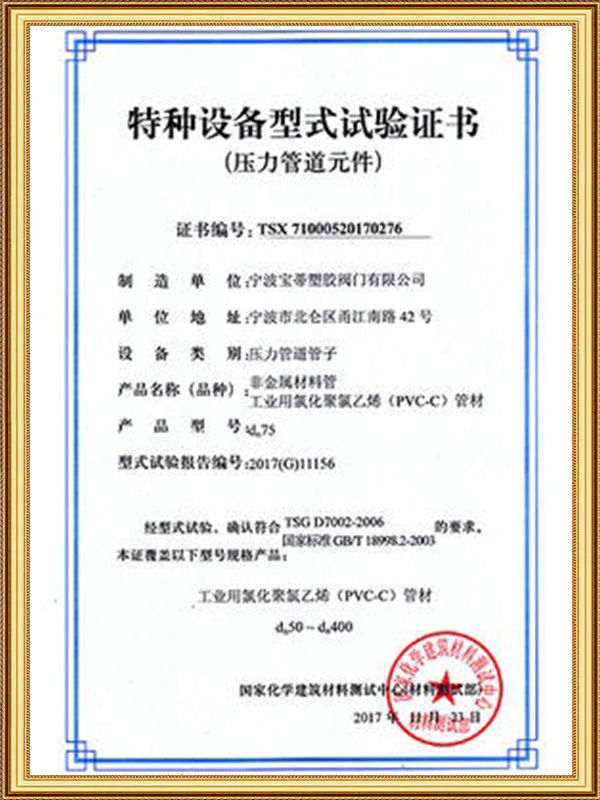
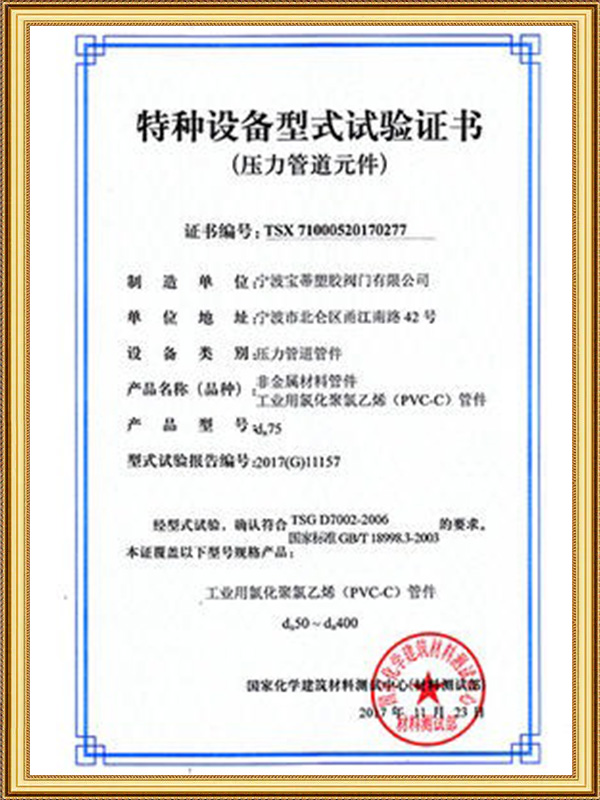
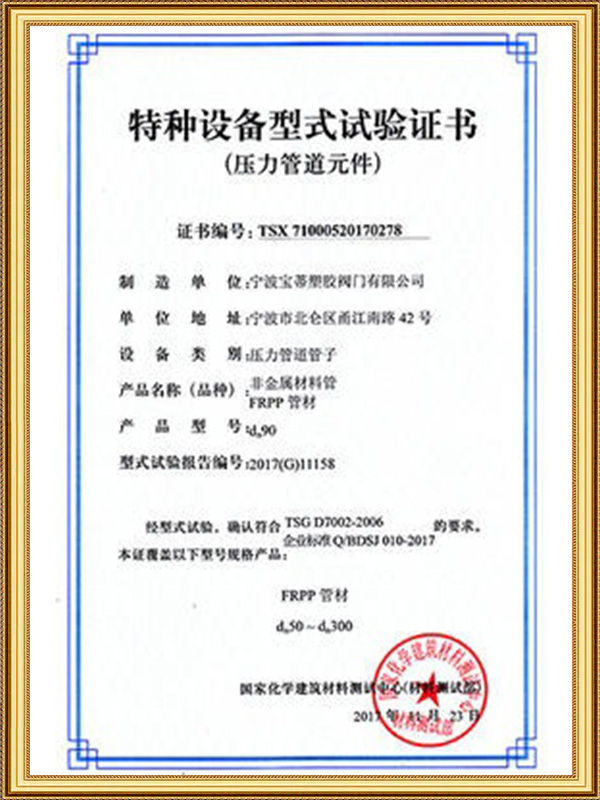
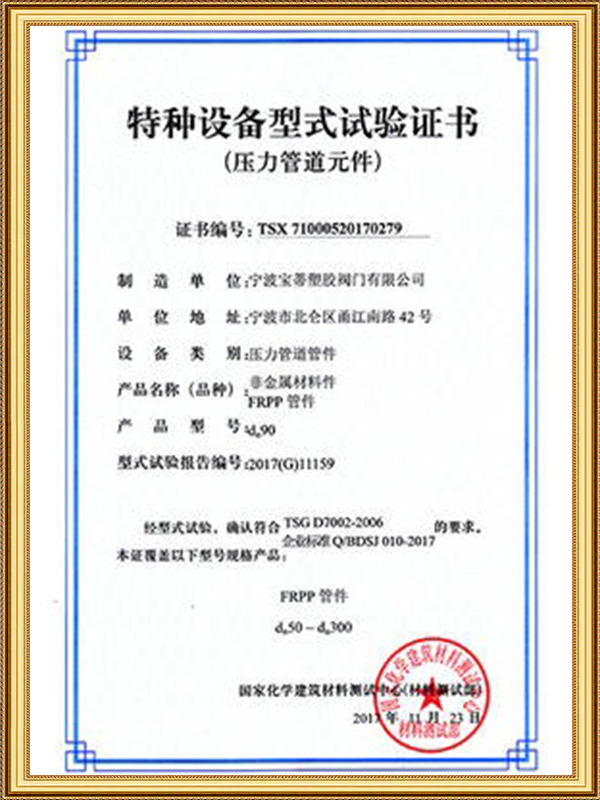
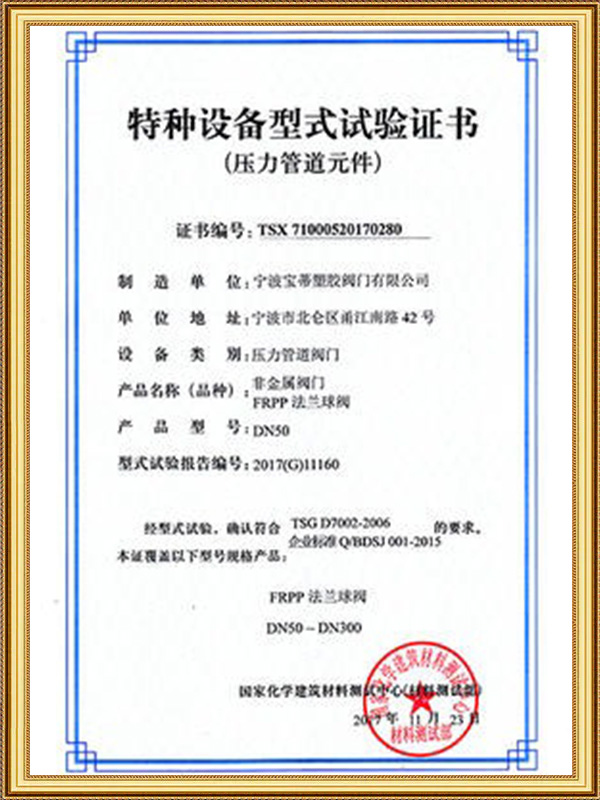
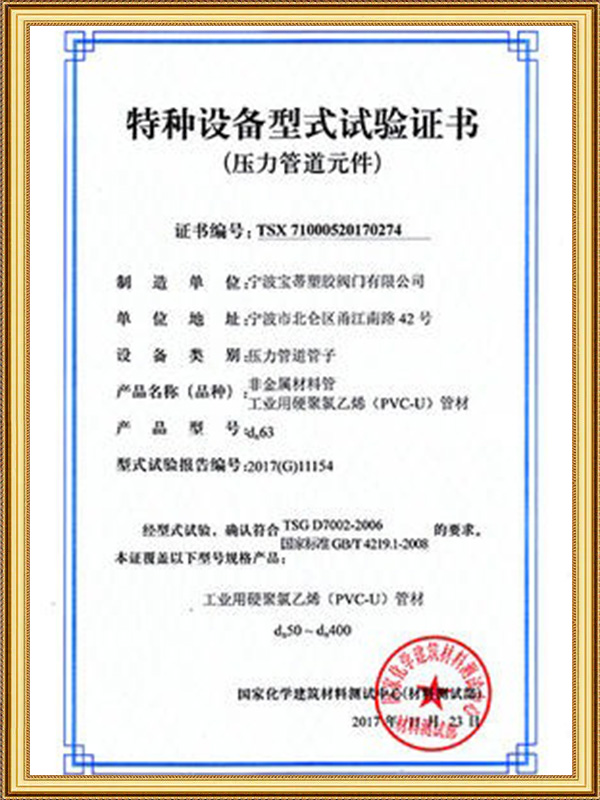
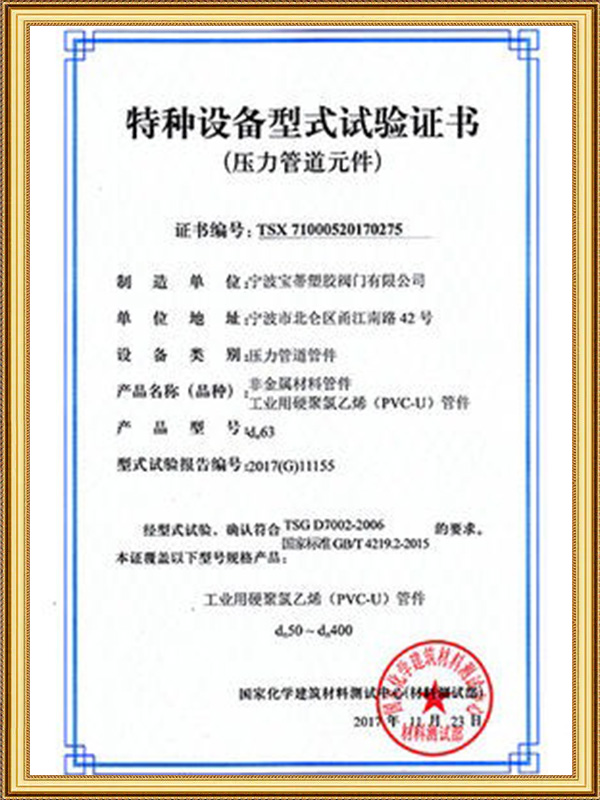
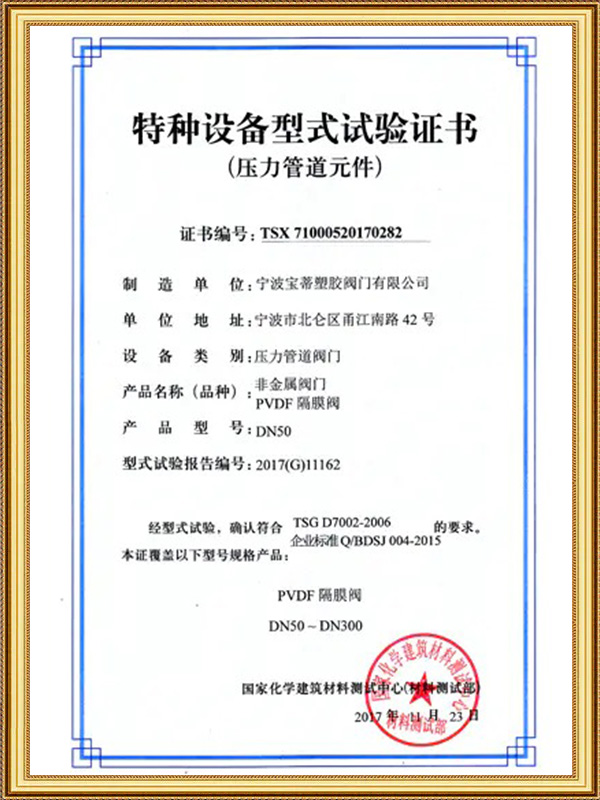
Ningbo Baodi Plastic Valve Co., Ltd. has obtained ISO 9001, ISO 14001, and ISO 45001 system certifications, as well as the national special equipment pressure piping component manufacturing license. It is recognized as a National High-Tech Enterprise and a Ningbo City Specialized and Sophisticated Enterprise. The company is also a principal drafter of standards covering plastic diaphragm valves, plastic ball valves, and plastic check valves.
Frequently Asked Questions About Automatic Valve
Does an Automatic Valve Always Need Electricity?
No. Electric actuators and solenoid valves require electricity, pneumatic valves use compressed air, and self-operated check, pressure-reducing, float, or drain valves may work through fluid pressure or mechanical force.
What Is the Difference Between an Automatic Valve and a Solenoid Valve?
A solenoid valve is one specific type of Automatic Valve. It uses an electromagnetic coil and is mainly designed for rapid on/off control. Automatic valves may also use electric motors, pneumatic actuators, hydraulic systems, or self-operated mechanisms.
Can an Automatic Valve Be Operated Manually?
Many actuators include a handwheel, lever, operating shaft, or manual solenoid override. The power or air supply may need to be isolated before manual operation to prevent actuator damage or unexpected movement.
What Happens During a Power Failure?
The valve may fail open, fail close, or remain in place. The correct configuration depends on process safety. Chemical-feed valves often fail closed, while cooling-water valves may need to fail open.
How Long Does an Automatic Valve Last?
Service life depends on chemical compatibility, pressure, temperature, cycle frequency, particles, installation alignment, actuator sizing, and maintenance. Clean-water service may provide many years of operation, while abrasive or corrosive high-cycle service may require more frequent seal or diaphragm replacement.
Can One Automatic Valve Be Used for Different Fluids?
Only when all wetted materials are compatible with every fluid. The chemical name, concentration, temperature, viscosity, and possible reaction with residual media must be checked before changing service.
Can an Automatic Valve Be Installed Outdoors?
Yes, when the actuator and valve materials are suitable for rain, dust, sunlight, condensation, temperature changes, chemical vapor, and possible flooding. Cable glands and enclosures must maintain the required protection level.
Why Does an Automatic Valve Fail to Close Completely?
Common causes include debris on the seat, damaged seals, incorrect limit settings, insufficient actuator torque, excessive differential pressure, swollen sealing materials, reverse installation, or internal obstruction.
Can an Automatic Ball Valve Regulate Flow?
A standard Automatic Ball Valve is mainly intended for full opening and closing. Long-term partial opening may create seat wear, vibration, and erosion. A purpose-designed control valve is more suitable for continuous proportional regulation.
Does an Automatic Valve Need an Upstream Strainer?
A strainer is recommended for solenoid, pilot-operated, pressure-reducing, and small control valves when the medium contains rust, sand, scale, or construction debris. The strainer must also be cleaned regularly to prevent excessive pressure loss.
What Information Should Be Sent to the Manufacturer?
Users should provide the medium, concentration, flow, pressure, temperature, pipe size, connection standard, valve function, preferred materials, actuator type, power supply, control signal, fail-safe action, opening time, installation environment, feedback requirement, and necessary documentation.
Ningbo Baodi Plastic Valve Co., Ltd. offers a broad range of industrial thermoplastic valves, pipes, and fittings and has supplied customers in more than 60 countries. Complete operating data remains essential because the correct Automatic Valve cannot be determined from nominal pipe size alone.


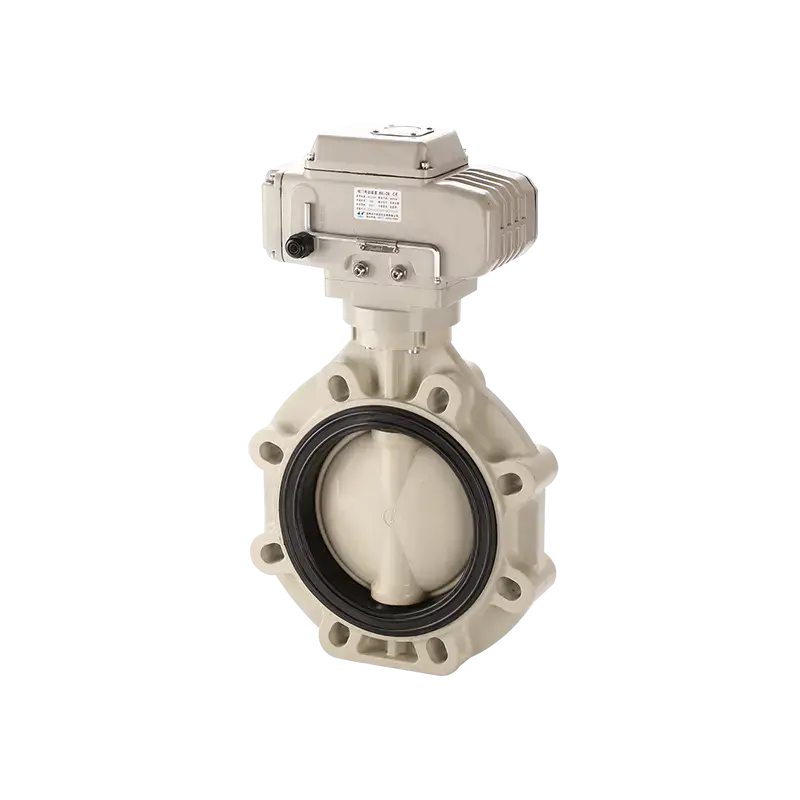
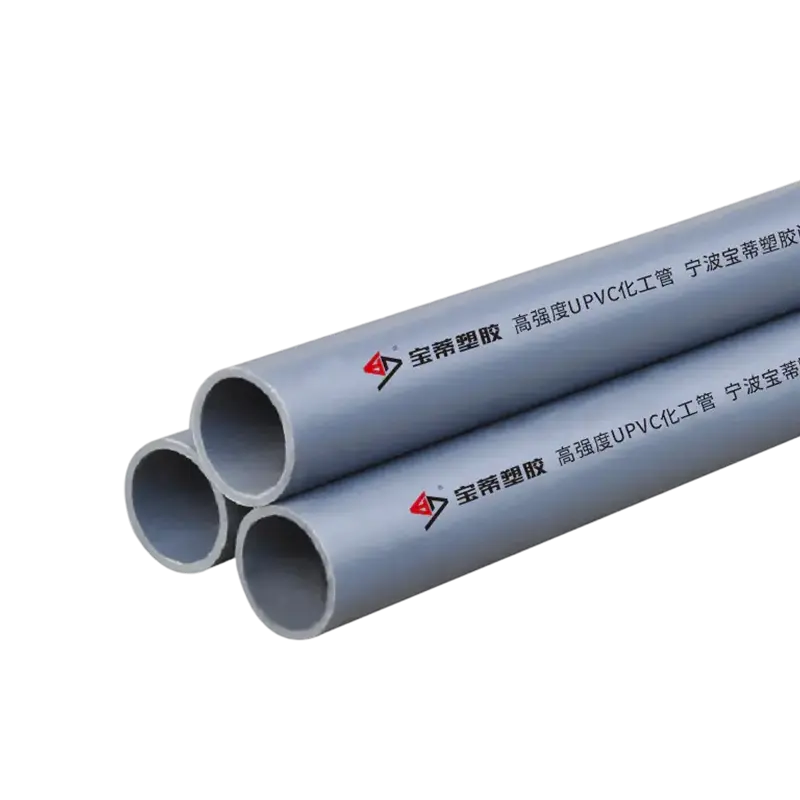
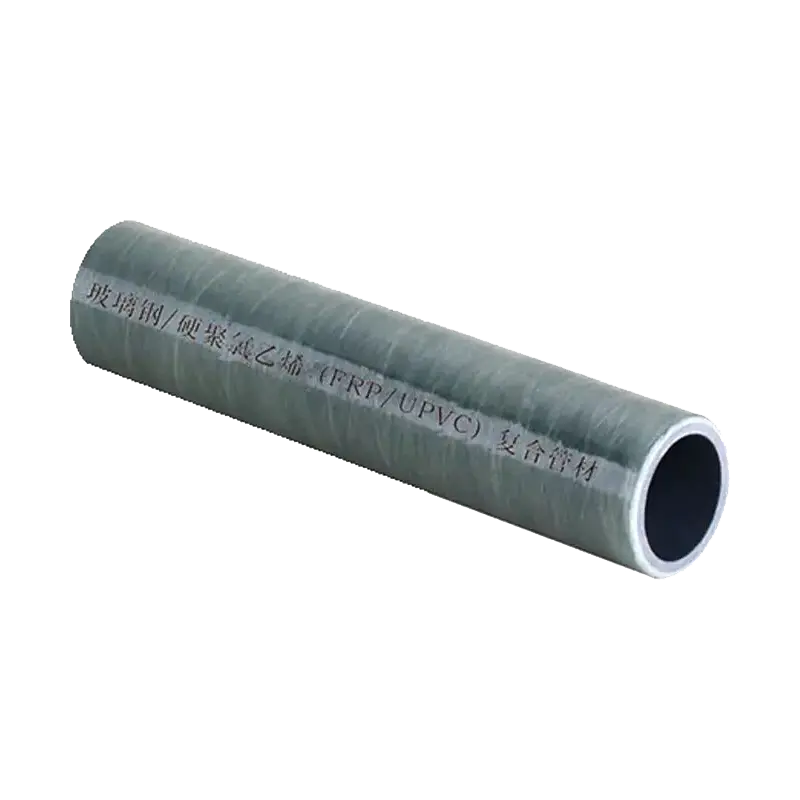
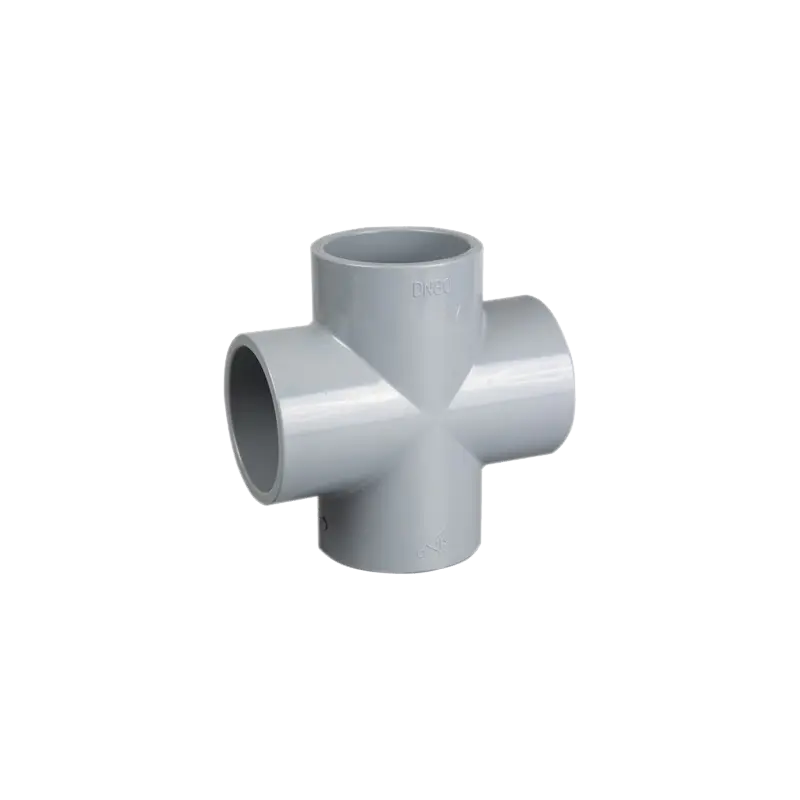
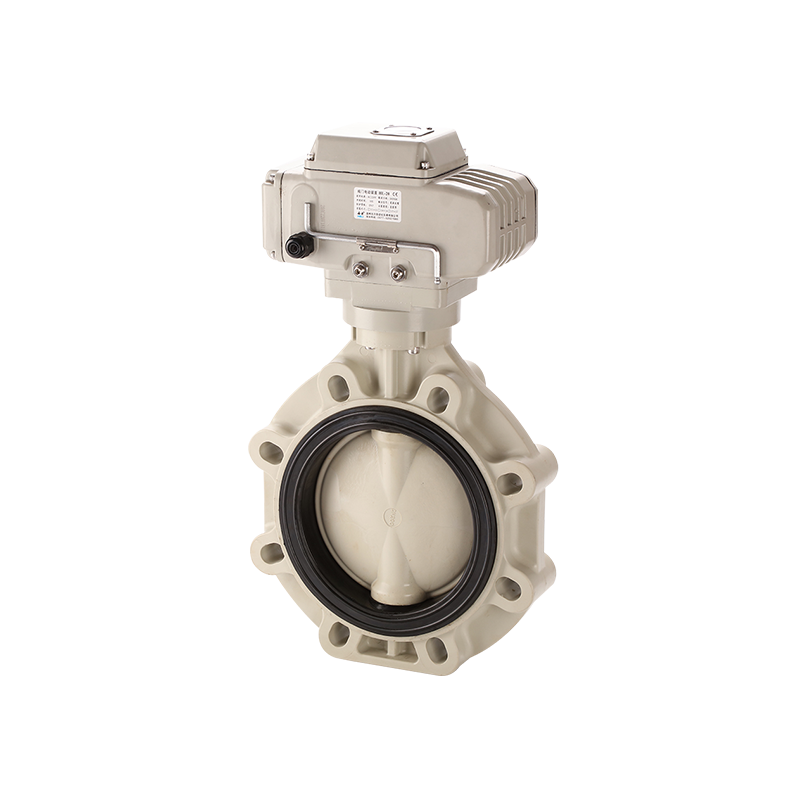 Kätevä ja luotettava muotoilu BAODI-läppäventtiilin eduilla. Saatavilla on erilaisia sähkötoimilaitteita. Venttiilin run...