Tiivistysrenkaiden suunnittelulla on keskeinen rooli teollisissa sovelluksissa. Sen materiaalivalinta, muoto ja koko, kulutuskestävyys ja nesteominaisuudet vaikuttavat suoraan tiivistyksen laatuun.
In terms of material selection for sealing rings, materials such as PTFE (polytetrafluoroethylene), rubber, and polyurethane are widely used due to their excellent wear resistance, corrosion resistance, and elasticity. Eri työympäristöissä ja nestemäisillä väliaineilla on erilaiset vaatimukset tiivistemateriaaleille. For example, PTFE is often used in situations where high temperature or highly corrosive media are handled due to its superior high temperature resistance and corrosion resistance; kun taas alhaisissa lämpötiloissa tai yleisissä nesteolosuhteissa kumimateriaaleja suositaan niiden taloudellisuuden ja käyttökelpoisuuden vuoksi. Therefore, in the process of material selection, designers need to comprehensively consider the chemical properties of the fluid, the temperature and pressure of the working environment, and the long-term performance of the sealing ring to ensure the durability of the sealing effect.
Tiivistysrenkaan muoto ja koko ovat myös tärkeitä. Yhteinen O-rengasrakenne voi tehokkaasti muodostaa tiivistävän kosketuksen venttiilin rungon ja pallon välille. In order to ensure that it can be fully compressed to form an effective seal when the valve is closed, the diameter, thickness, and elasticity of the O-ring must be accurately calculated. In addition, the installation position of the seal ring also needs to be reasonably arranged, usually on both sides of the ball to ensure a stable sealing state when the ball rotates. Venttiilin toimintatapa on myös otettava huomioon suunnitteluprosessin aikana, jotta vältetään kitkan tai muodonmuutoksen aiheuttama tiivistevika.
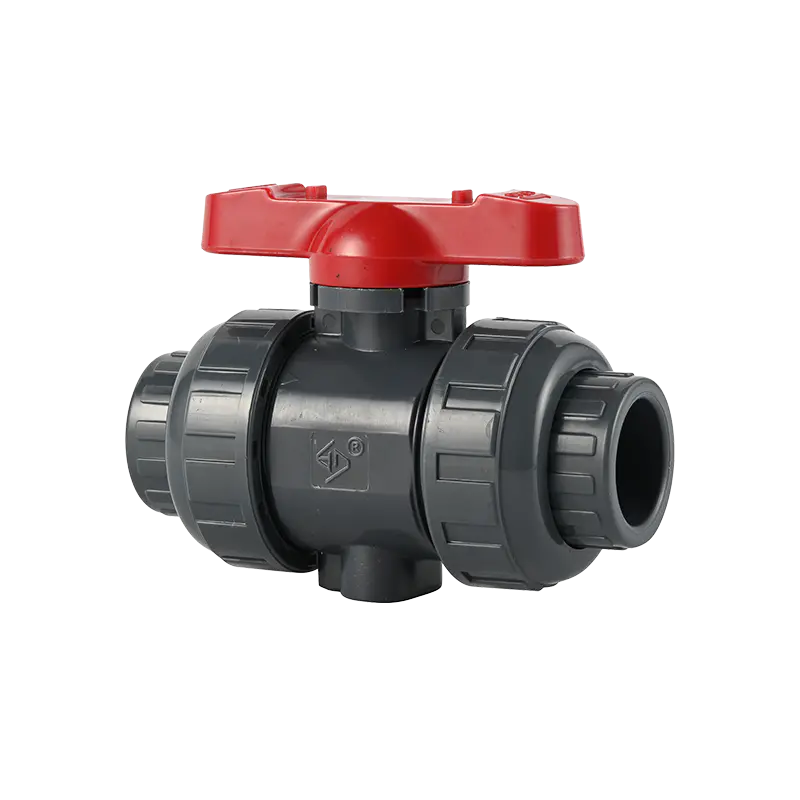
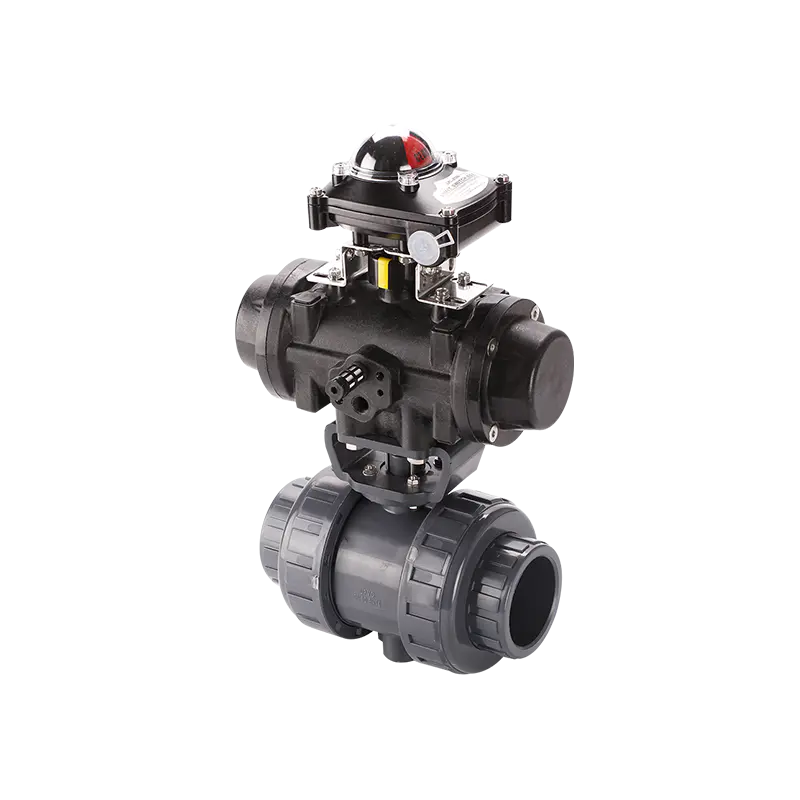
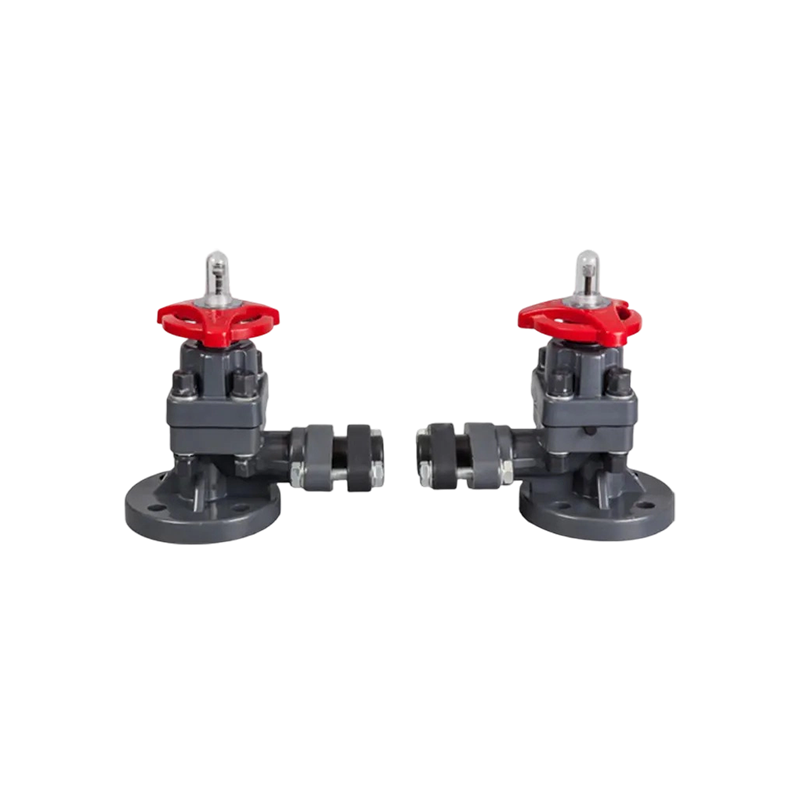
Kulutuskestävyys on toinen tärkeä näkökohta tiivisterenkaan suunnittelussa. Käytön aikana manuaalinen palloventtiili , nesteen virtaus aiheuttaa kitkaa tiivisterenkaan ja pallon välille. Pitkäaikainen kitka voi aiheuttaa tiivisterenkaan kulumista, mikä vaikuttaa tiivistyskykyyn. Therefore, choosing materials with good wear resistance and reasonably designing the thickness and hardness of the seal ring can significantly extend the service life. In addition, designers can also consider adding a coating to the surface of the seal ring to further improve its wear resistance and corrosion resistance.
Myös lämpötilan ja paineen muutoksilla on merkittävä vaikutus tiivisterenkaan suorituskykyyn. The performance of the seal ring may be different in high or low temperature environments, and parameters such as the thermal expansion coefficient, softening point and brittle temperature of the material need to be fully considered during the design. In a high-pressure environment, the seal ring needs to withstand greater pressure, so it must be designed to ensure that it can maintain good sealing performance under high-pressure conditions. At the same time, designers should consider the impact of temperature and pressure changes on the seal ring to ensure that it can still work normally under extreme conditions.
Nesteen ominaisuudet ovat myös tekijä, jota ei voida jättää huomiotta tiivisteen suunnittelussa. Eri nesteväliaineilla on erilaiset vaatimukset tiivistemateriaaleille. Jotkut nesteet voivat syövyttää tiivisterenkaan materiaalia ja aiheuttaa tiivisterenkaan vanhenemista tai vikoja. When designing a seal, the designer needs to fully understand the chemical properties, temperature, pressure, flow rate and other parameters of the fluid in order to select the appropriate sealing material and design scheme. In addition, solid particles or impurities that may exist in the fluid may also cause wear or damage to the seal, so the cleanliness and flow state of the fluid should be considered during the design.